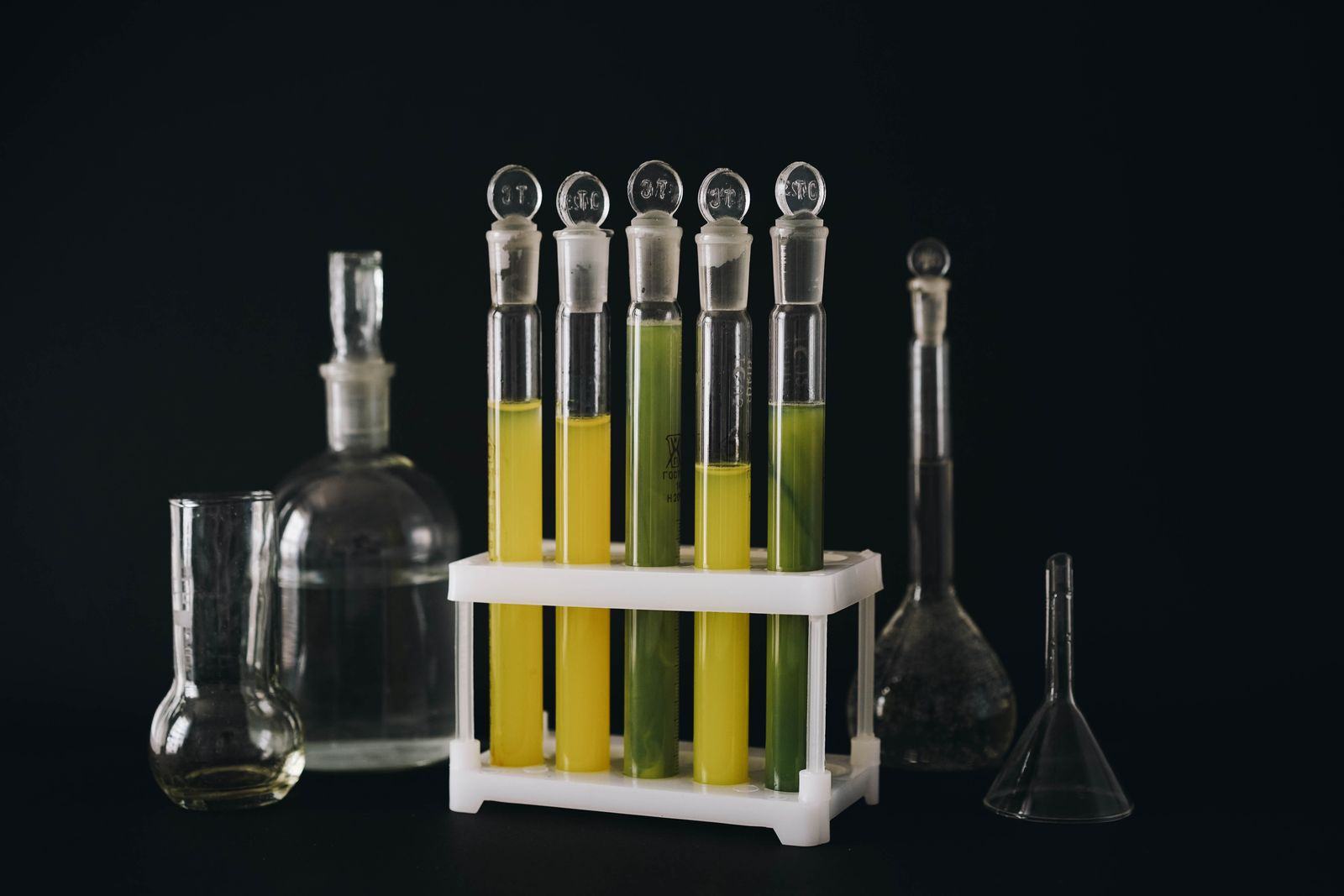
lab glow vials — Documentation-first, by design.
Quality

Documentation-first, by design.

Every HNOVA™ batch is characterised and recorded the way a partner or regulator will eventually need to see it.

LIPOLOGICS

Quality is designed in, not inspected in. Characterisation, documentation and release are part of the process from the first bench formulation.

Particle size, encapsulation efficiency and stability are characterised for every batch before release, with a Certificate of Analysis issued per lot.

Documentation is prepared for regulatory and customer review — built once, correctly, rather than reconstructed afterwards.

What we characterise

Tested on every batch

The same parameters across all 39+ actives.

Particle size & distribution

Target range 50 to under 200 nm, with polydispersity checked for uniformity.

Encapsulation efficiency

How much of the active is entrapped within the vesicles, per batch.

Stability

Stability testing aligned to the ingredient and its target format.

Identity & purity

Confirmation of the active and screening for contaminants.

Morphology

Microscopy to confirm vesicle structure where required.

Lipid source

Plant-based phosphatidylcholine confirmed as the lipid.

Batch release

How a batch is released

Step 01

Manufacture

The batch is made and every step recorded in the batch record.

Step 02

Characterise

Particle size, encapsulation efficiency and related tests are run.

Step 03

Review

Results are compared with specification by the quality function.

Step 04

Certify & release

A Certificate of Analysis is issued and the batch released.

Certificate of Analysis

What a Certificate of Analysis covers

ParameterWhat it confirms
AppearanceVisual description of the liposomal material
pHWithin the specification range for the ingredient
Particle size & PDIDynamic light scattering; size distribution and polydispersity
Encapsulation / entrapment efficiencyProportion of active entrapped within the vesicles
Identification & assayChromatographic and spectroscopic confirmation of the active
Microbial limitsTotal counts and specified organisms per category limits
Heavy metalsLead, cadmium, mercury, arsenic and related elements
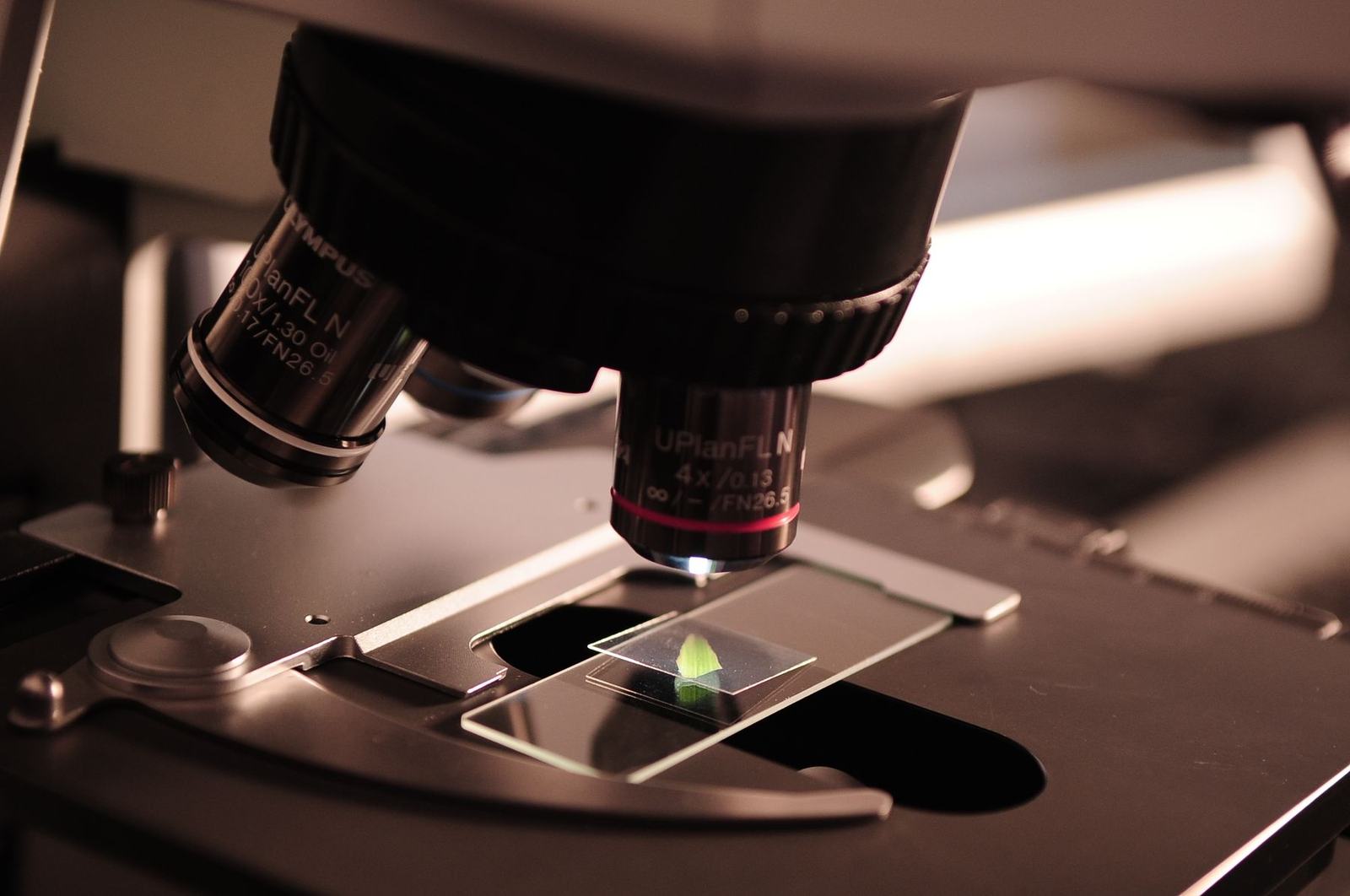
analytical laboratory microscope
Quality System

Analytical characterisation, on the same campus

Analytical work sits alongside formulation and manufacturing, so characterisation results feed straight back into process decisions.

  • Particle size distribution (target 50–200 nm)
  • Encapsulation efficiency, per batch
  • Certificate of Analysis issued per lot
  • Stability testing aligned to formulation category
Documentation

What partners receive

Available on request through the Contact page.

Certificate of Analysis

Per-batch analytical results for the ingredient supplied.

Specification sheet

Per-ingredient specification: particle size, appearance, storage.

Technical dossier

Process, characterisation and stability notes for a given active.

A note on certification: Lipologics does not claim ISO or GMP certification on this page unless confirmed in writing for your programme. Ask us for current certification status and scope before including it in your own documentation.

Get in touch

Ask about our quality framework.